
jaceni invites you into a world where curiosity thrives—lessons twist in unexpected directions, and teachers encourage detours. You’ll notice it: fresh dialogue, laughter, and maybe even a few awkward pauses. Real learning, in all its unpredictable glory, lives here.

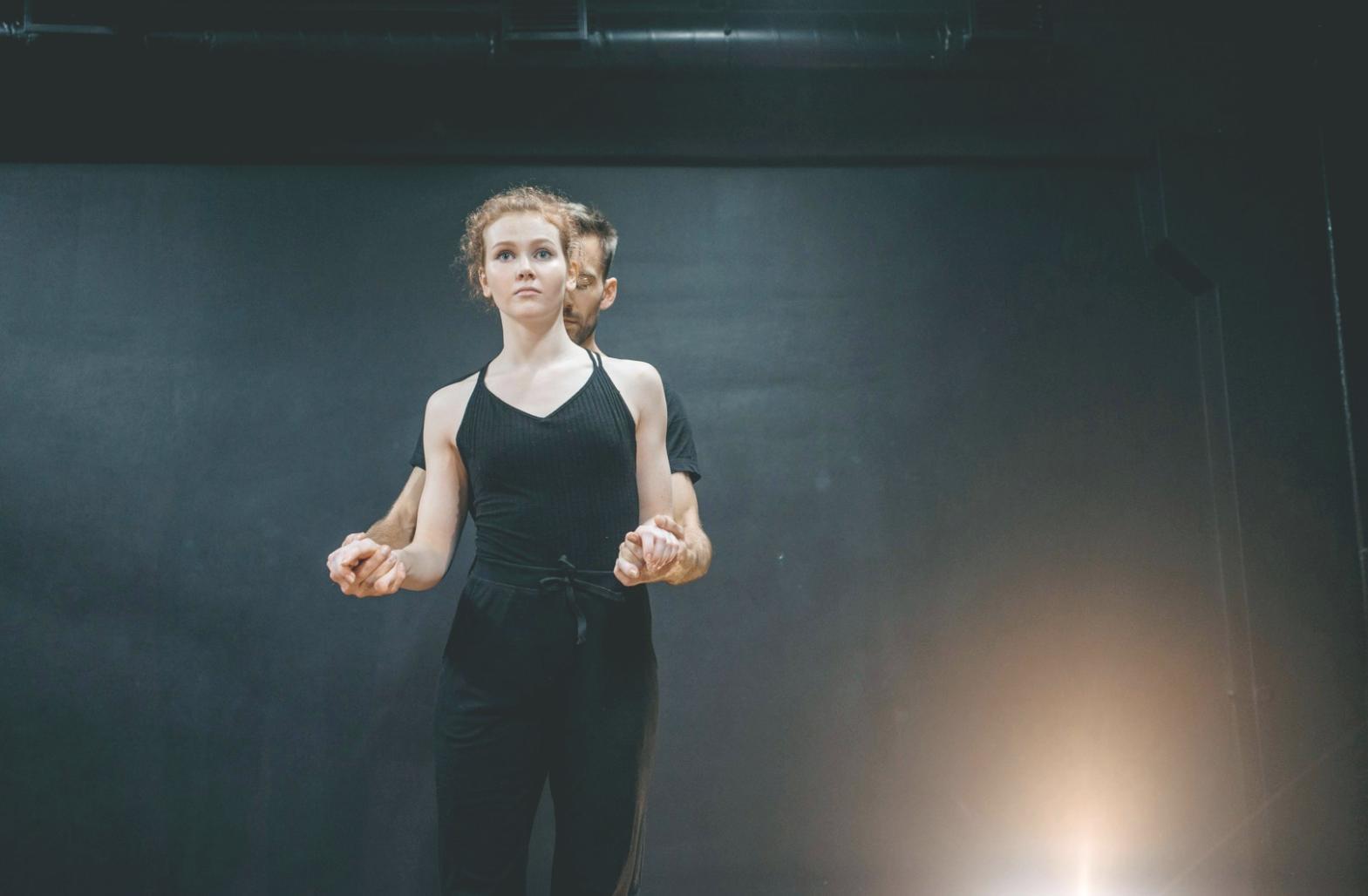
Step Into Motion—Discover Your Dance Story
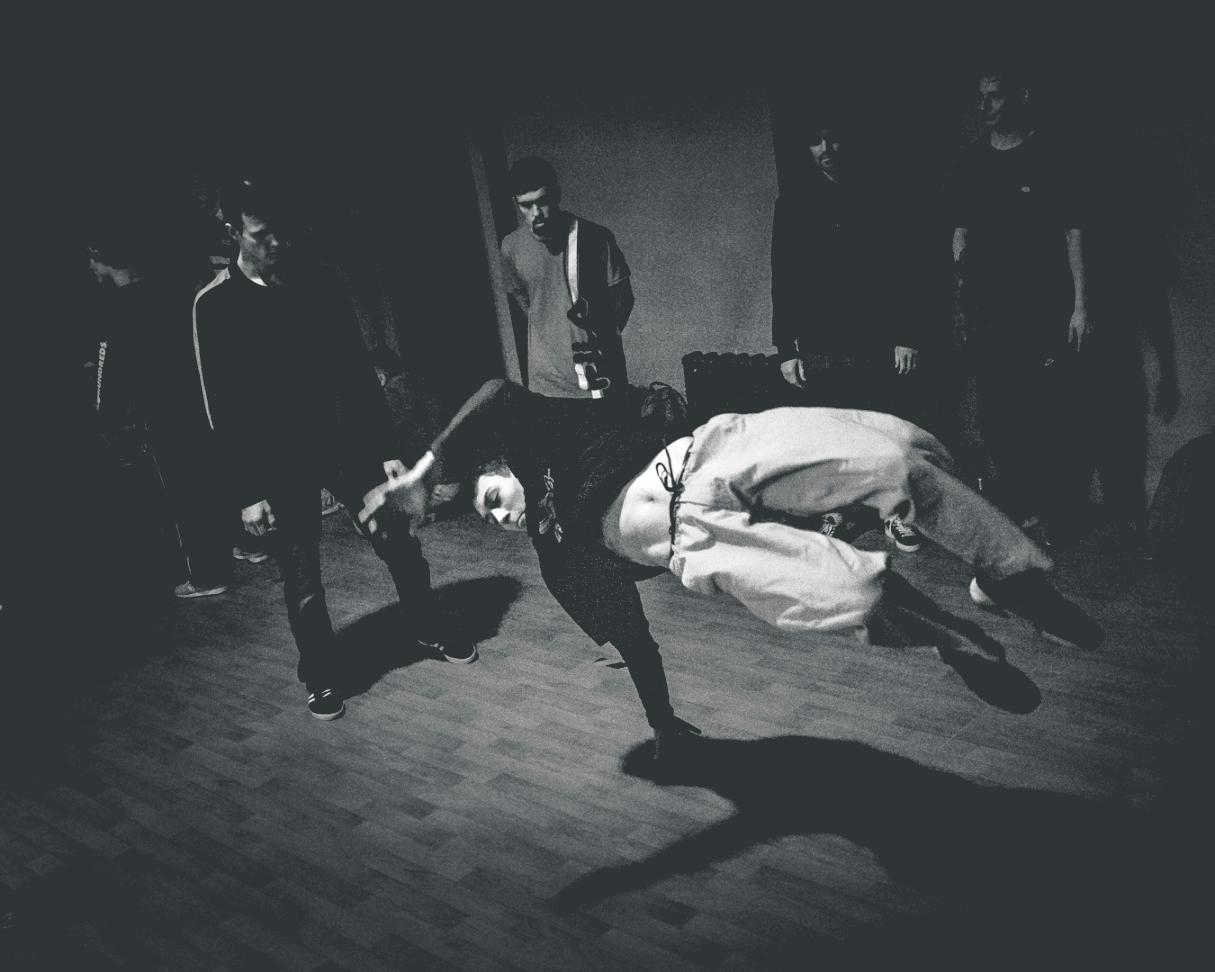
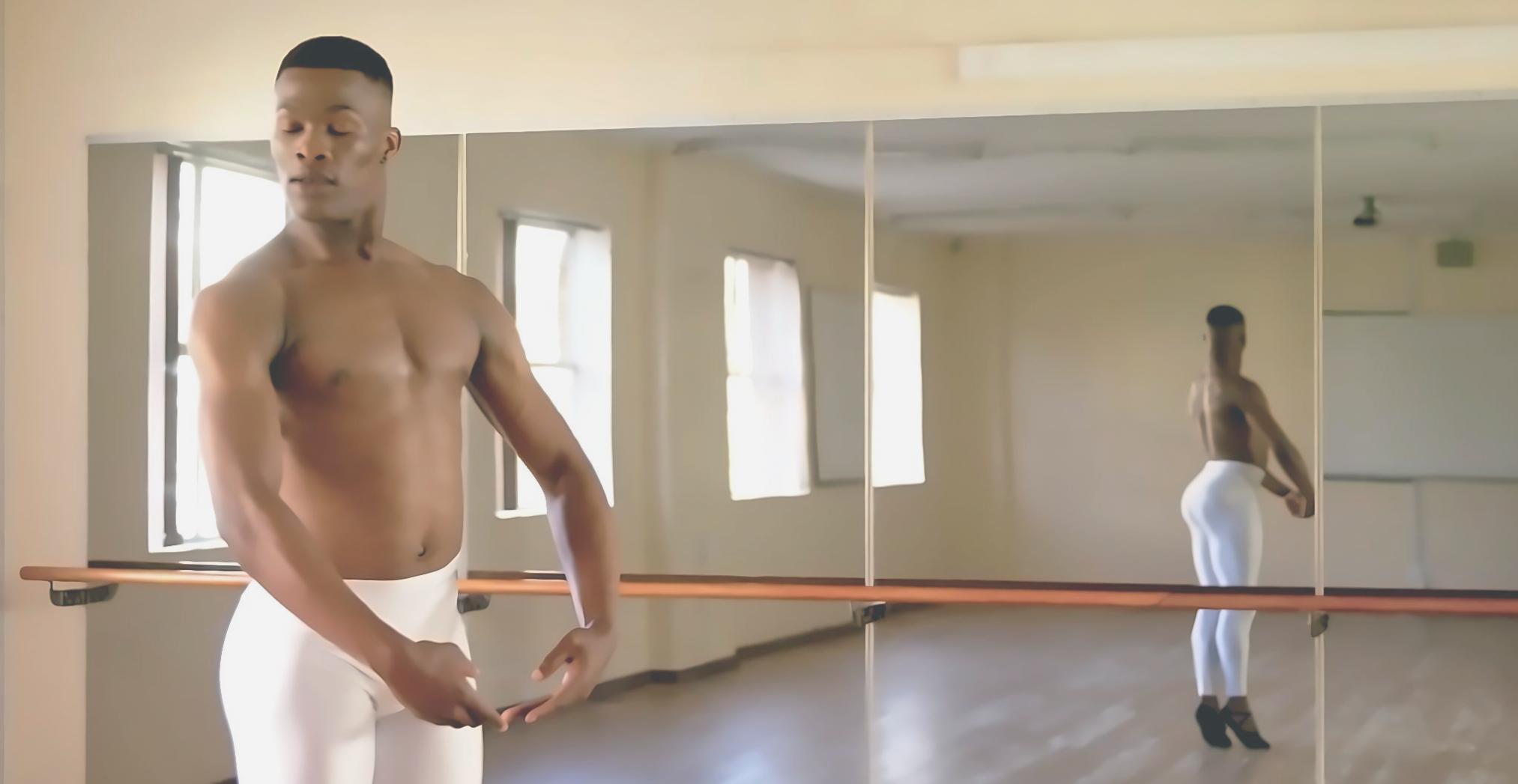
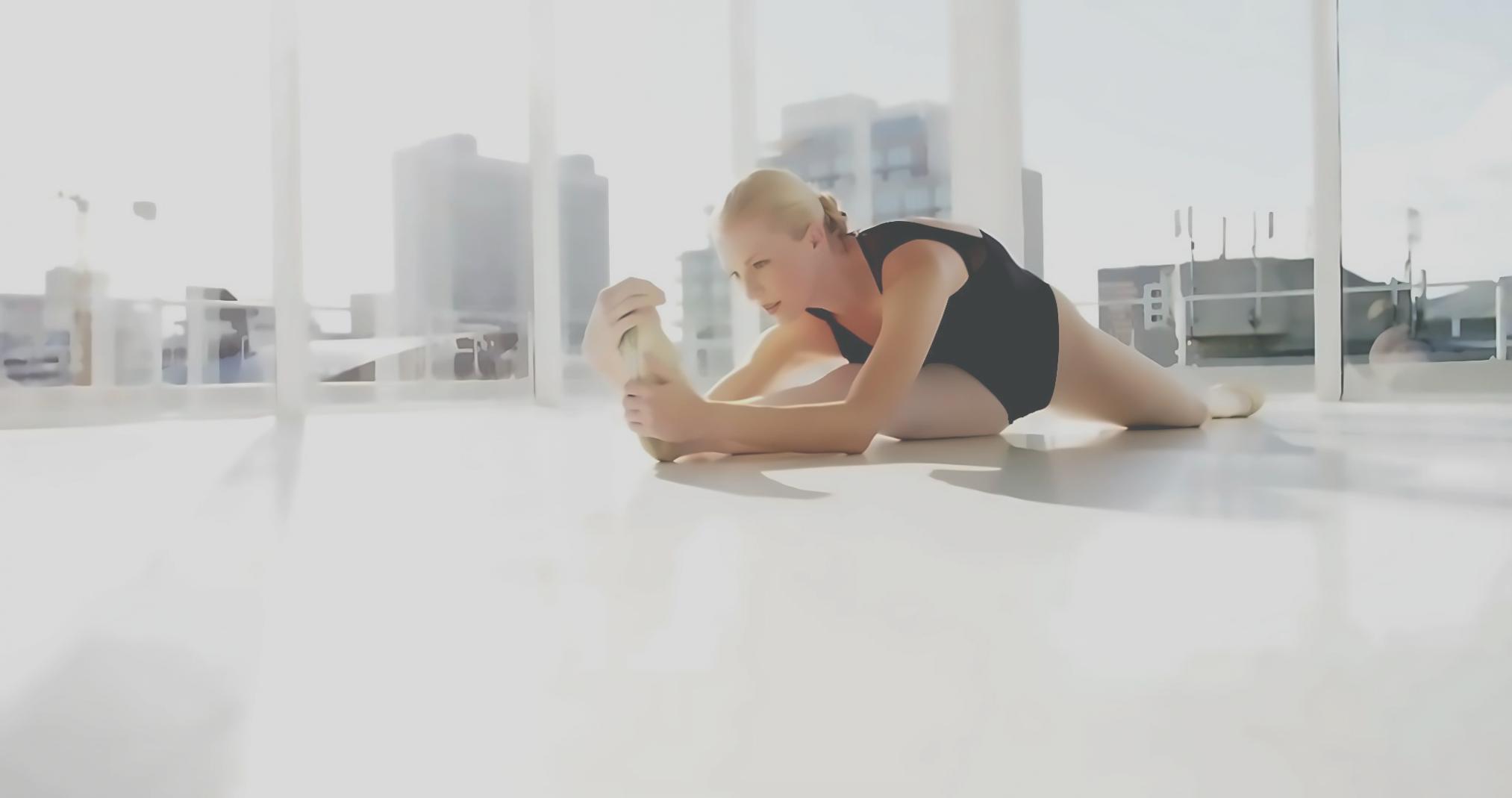
We call our offering “creativity,” not because the word is fashionable, but because it’s the only honest term for the unpredictable, sometimes stubborn, always personal process of learning contemporary dance the way we see it. The heart of our approach came from watching—again and again—how even technically adept dancers tripped over the same quiet pitfalls: grasping for shapes without sensing weight, repeating phrases as if choreography were a math problem, or trusting that a “correct” alignment would make the whole thing work. So, from the first class, we ask for something different. The room isn’t a blank slate; it’s a place where you’re expected to bring your habits, your history, and, yes, your hesitations. And here’s something you don’t always hear: sometimes, unlearning is more demanding than learning itself. That moment when a dancer’s body remembers the old way, resists the simple invitation to drop the shoulders or let the breath lead the movement—that’s where the real work starts. We spend time on tangible things, of course—weight shifts, floorwork, spirals, the mechanics that underpin everything else. But the real shift, the one I get excited about, is when someone begins to question what counts as “right.” A student once asked, “Is it still the movement if I let it be irregular?”—and while I didn’t answer directly, the question stuck around all semester. We give space for trying, for failing, for that awkward middle ground where you’re not quite sure if you’re improvising or just lost. It’s not always comfortable—let’s be honest, sometimes it’s maddening—but discomfort is a surprisingly reliable teacher. And we talk, too. Not just about placement or technique, but about context: Why does this material matter here, now? How does it read to someone else? It’s a kind of dialogue, and though I have my preferences (I’m partial to movement that grows out of necessity rather than decoration), the process is less about taste and more about clarity. There are practical barriers, of course—old injuries, self-consciousness, the lure of the mirror’s approval. But there’s also the subtler challenge of trusting your own sense of timing or intention, especially when the room is quiet and every choice feels exposed. Some days, someone will get frustrated trying to “find the phrase” when, really, the phrase is already there—just buried under too much thinking. I suppose that’s another thing: in this course, we try not to glorify effort for its own sake. Sometimes, the best movement is the one that feels like a relief, not an achievement. And while I can’t promise every student leaves with the same breakthroughs, I do notice that, over time, people start moving with more curiosity—less to prove, more to discover. What does it mean to be creative here? Maybe it’s just this: to stay present enough to surprise yourself, now and then, and to let that be enough.
Let’s StartLearn efficiently with well-structured online courses. A smart way to keep developing.
Get in TouchOur Professional Values
jaceni
Education in the arts—especially dance—isn’t just about memorizing steps or chasing perfection. It’s about discovery, expression, and, sometimes, fumbling your way through until something clicks. I’ve always believed that the best teachers are the ones who care enough to push you, but also give you room to fall and get back up. That’s the vibe you feel when you walk into one of jaceni’s contemporary dance classes. They’re not about keeping things strictly by the book; you’re encouraged to move, experiment, and ask questions. I remember watching a class where someone totally blanked on the sequence—awkward pause and all. Instead of glossing over it, the instructor stopped, laughed with the student, and used the moment to talk about improvisation as a skill. That chunk of the lesson stuck with everyone more than the polished routines ever could. What really stands out is how lessons aren’t just about looking good on stage. You start to notice changes outside the studio—better posture at your desk, more confidence in meetings, even a newfound patience when things don’t go as planned. It’s practical stuff, the kind you can use whether you’re dancing in a theater or just navigating daily life. And let’s talk about the teachers. Each one brings a bit of their own story into the mix. Some have performed internationally, others have a background in education or therapy. They seem to genuinely care about how you’re progressing, not just physically, but in how you think and feel about movement. There’s real dedication there, a kind of quiet pride in helping students find their own way. I think that’s what makes jaceni different. They’re not just teaching dance—they’re investing in people. Every class is a mix of energy, challenge, and genuine connection. If you ask anyone who’s been through their courses, they’ll probably tell you the same thing: you come for the dance, but you leave with a lot more.
Visionary leadership in education isn’t just about seeing what’s next—it’s about actually stepping into the unknown and building something that didn’t exist before. For me, it’s never the loudest voice in the room that changes things, but the one that can listen deeply, spot the gaps, and then gently nudge people into a new way of thinking or moving. Especially in dance education, where tradition can weigh heavy, it takes a certain spark to shake things up. Not everyone’s got that. When Alyssa first started imagining what would become jaceni, she wasn’t just chasing a trend. Her background—decades spent on the studio floor, touring stages, and later, working with young dancers from wildly different backgrounds—gave her a gut sense for what people actually needed. She’s said before that watching dancers struggle to find high-quality, accessible training online was what kept her up at night. That mix of practical experience and restless curiosity probably made her the only person who could pull something like this off. I’ve noticed that she doesn’t rest easy. Alyssa’s always reading, always poking around at what’s new—sometimes it’s industry conferences, sometimes it’s just a random chat with a choreographer halfway across the world. And you’d catch her scrolling through obscure dance blogs at midnight or signing up for weirdly specific online workshops just to see what’s out there. She’s got a knack for picking out the real changes from the passing fads, which is harder than it sounds. But here’s what really stands out: she refuses to cut corners. Every course that goes live at jaceni gets her personal attention, whether that means reviewing choreography, checking the clarity of instruction, or making sure the tech side actually works for dancers, not just engineers. She’s picky about the instructors—if you’ve met her, you know she won’t settle for anything less than teachers who can both move and teach, and who actually care about the students. There’s a kind of quiet pride in the way she talks about the feedback process—always open, sometimes brutally honest, but never indifferent. In the end, Alyssa’s leadership isn’t about being at the front and shouting directions. It’s more like she’s out ahead, shining a light, but always leaving space for others to catch up and join in. That’s probably why jaceni feels less like a company and more like a living, breathing community—one that’s constantly growing, shifting, and, if she has anything to say about it, never settling for good enough.
Leland
Remote Innovation Coach
When students at jaceni sign up for contemporary dance, they
sometimes admit—quietly, after class—that Leland’s room is the
one they hoped to stumble into. He starts with a clear base:
technical warm-ups, the kind that remind you of ballet class,
but then—almost without warning—he’ll toss the plan out in favor
of curious improvisation if the group energy points that way.
Some days, a student’s offhand question becomes the thread for
the next twenty minutes; he’ll pull at it, unraveling ideas
about movement, risk, and habit. There’s a kind of tension in
his class, not unfriendly, but unmistakable—he pushes, sometimes
gently, sometimes insistently, at what students think dance
should be, all while making space for uncertainty. And if
someone stumbles or blanks on a sequence, he doesn’t rush in;
instead, he’ll just nod, maybe mutter, “Find the logic in your
mistake.” Leland’s background is a patchwork: a few years in a
rigid conservatory, then a stint in an open-plan “learning lab”
where shoes were optional and the floor was always cold. Those
places, he says, taught him as much about what not to do as what
works. The classroom itself isn’t fancy—just a scuffed floor and
a wall of windows that fogs up in winter—but he’s pinned odd
clippings and scribbled notes around the mirrors, things like
“Why not spiral here?” and “What if you danced as if you’d just
woken up?” Sometimes, during a break, he’ll mention a consulting
gig with a dance company struggling to break old habits, and you
can tell he’s storing up the puzzles for next week’s lesson.
Students write, in their evaluations, that they left class with
brains buzzing, assumptions jostled, but also with a new
steadiness under their feet. One described his teaching as “like
being thrown in the deep end, but with someone shouting
encouragement from the edge.” There’s no real formula here—just
a willingness to let the messiness of learning show. And
honestly, that’s rare enough to keep people coming back.
Pass Us a Message
Our Contact Details
Have questions about which courses might fit you best? I know it can feel overwhelming to choose—sometimes just reaching out clears things up. We're happy to help you sort through your options, whether you're still exploring or already have something in mind. Curious? Go ahead and get in touch—sometimes one quick conversation can make the difference.
Via Lata, 5, 00186 Roma RM, Italia
Realtime Reviews
Jonathan
Knowledge deepened—and confidence totally surprised me. Never thought I'd move like this, honestly.
Connor
Incredible! Every phrase and spiral unlocked a new language in my body—suddenly, movement feels like poetry.
Amya
Attained: Real friends, wild laughs, and a dance family I never saw coming—couldn't ask for more connection.